Brand Building
Low MOQ Explained: How 50 Pieces Makes Small-Batch Production Possible
Why a minimum of 50 pieces per style is enough for a real first run, and how small-batch production reduces risk for new fashion brands.
A minimum order is often larger than a new brand can justify before it has any sales data. Committing to that volume too early is how promising labels run out of cash. A low minimum exists to remove the bet.
What 50 Pieces Actually Means
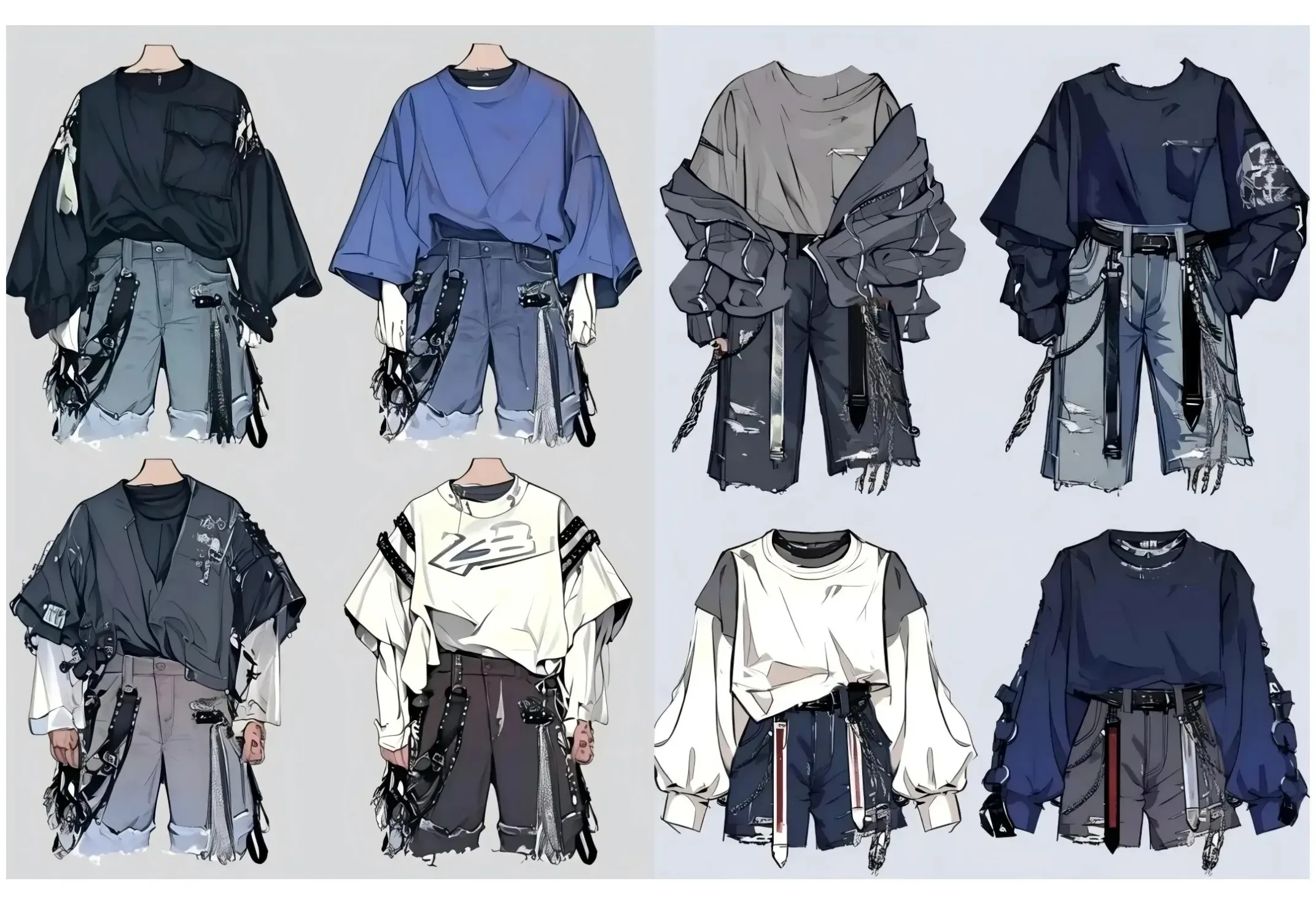
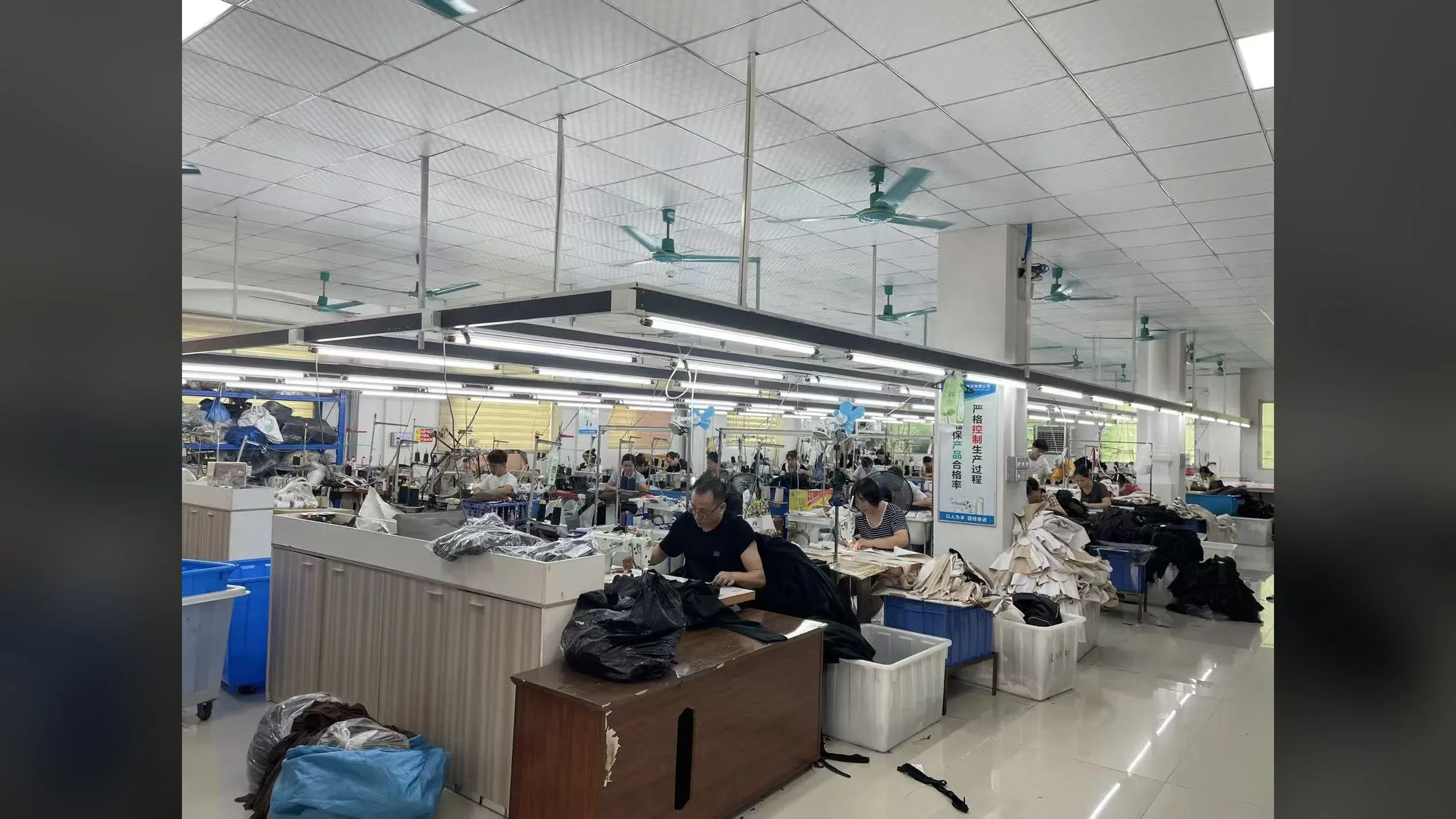
A minimum of 50 pieces per style in one colourway is the quantity for a fully custom garment, not a stock blank with a logo added. It works because a dedicated line is kept running for low quantities, rather than squeezed into the gaps between large orders.
Why Small Batches Reduce Risk
A smaller first run ties up less capital before you have sales data. You test fit, fabric and colour with real customers, then reorder the winners. The money you did not spend on unsold pieces stays available for marketing or a second style.
The Trade-offs You Should Expect
Low quantity does not mean unlimited variety at the same unit price. Fabric is bought in larger rolls, and some trims only become economical at volume: custom hardware usually starts at 2000 pieces and woven labels at 500. Sewing is done by skilled operators on a bulk line, which keeps labour cost down compared with one-off tailoring.
From 50 Pieces to a Full Collection
The usual path is a sample first, then a small first run, then repeat orders in the styles that sell. With a sample in about 10 working days and bulk production in 5 to 8 weeks, a first collection can be tested and replenished inside a normal selling season.
What to Send Us
Send your design or tech pack, a measurement chart per style, print or embroidery files, and the quantity you want per style and colour. Email Michelle@yimifashion.com to talk through your first run.